
Blog

Billy Kasis | what is The Role of Digital Marketing in Web3 | A Paradigm Shift in Online
Web3, the third generation of the World Wide Web, is ushering in a new era of decentralized, user-centric internet experiences.
As this transformative technology gains momentum, digital marketing is evolving to adapt to the changing landscape.
This article explores the role of digital marketing in Web3, highlighting its significance and potential impact on the advertising industry.
Additionally, two real-world examples of digital marketing in Web3 are presented to illustrate its practical applications.
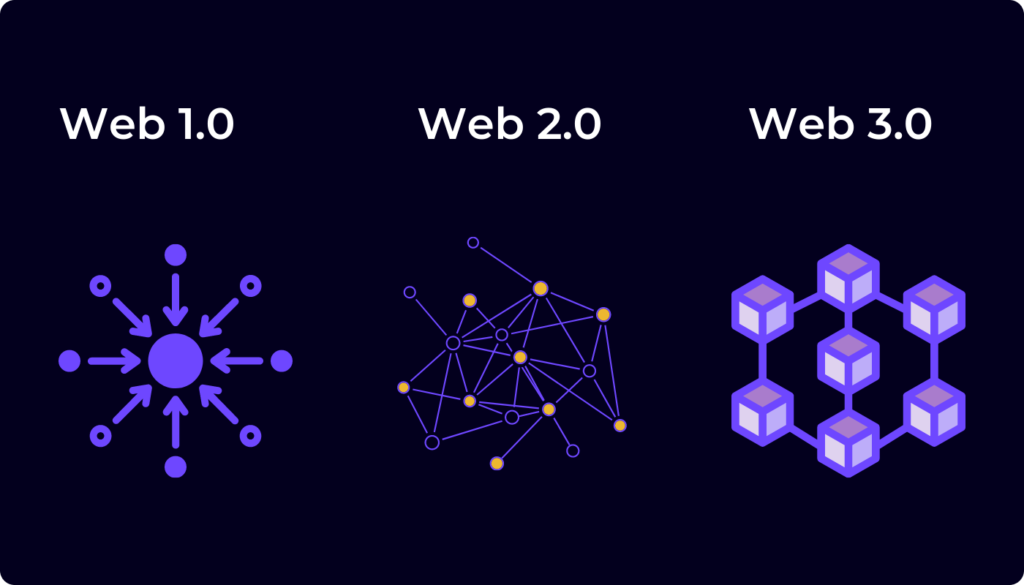
The advent of Web3, often described as the “decentralized web,” represents a paradigm shift in how we interact with digital platforms.
Unlike its predecessors, Web3 is built on blockchain technology and decentralized networks, offering users increased control over their data and digital identities.
As a result, digital marketing strategies are evolving to align with the principles and opportunities presented by Web3.
This article delves into the emerging role of digital marketing in Web3 and gives two examples of its implementation.

The Role of Digital Marketing in Web3
Personalized and Permission-Based Advertising
Web3 empowers users with greater control over their data, allowing them to decide how and when they share it.
Digital marketers are adapting to this new reality by shifting towards permission-based advertising.
Users are given the choice to opt in or out of targeted advertising campaigns, and they are often rewarded for their attention with cryptocurrency tokens or other incentives.
This approach ensures that users are engaged with ads relevant to their interests and preferences, creating a win-win scenario for both consumers and advertisers.
Example 1: NFT-powered Advertisements
One notable example of permission-based advertising in Web3 is using non-fungible tokens (NFTs) to engage.
Brands can create limited-edition NFTs that serve as virtual collectibles.
Users who interact with these ads by viewing, sharing, or engaging with them can earn NFTs as rewards.
This incentivizes users to opt in and actively participate in brand campaigns, creating a more immersive and personalized advertising experience.
Decentralized and Trustless Ad Networks
Web3’s decentralized nature eliminates the need for intermediaries and centralized advertising networks.
Smart contracts and blockchain technology enable transparent, trustless transactions between advertisers and publishers.
Advertisers can directly engage with content creators and websites, ensuring that their ad spend reaches its intended audience without the risk of fraud or inflated fees.
Example 2: Decentralized Advertising Platforms
Platforms like AdEx and BAT (Basic Attention Token) are pioneering blockchain technology to create decentralized advertising ecosystems.
Advertisers can purchase ad space directly from content creators using cryptocurrency tokens, and users are rewarded with tokens for their attention.
This approach removes the need for intermediaries and enhances transparency in ad placements and payments, fostering trust between all parties involved.
Conclusion
Web3 is reshaping digital marketing, emphasizing user control, personalization, and transparency.
The role of digital marketing in Web3 extends beyond traditional advertising practices, focusing on personalized and permission-based strategies, as well as the utilization of decentralized ad networks.
The examples illustrated how brands and marketers already embrace these new approaches to engage with users in the Web3 era.
As Web3 continues to evolve, digital marketing will play a pivotal role in shaping the future of online advertising.
Businesses and marketers must adapt to these changes to remain competitive and establish a strong presence in the emerging Web3 ecosystem.
As the Web3 revolution unfolds, the fusion of blockchain technology, decentralized networks, and digital marketing will continue to drive innovation and reshape how brands connect with their target audiences.
Share this post: on Twitter on Facebook